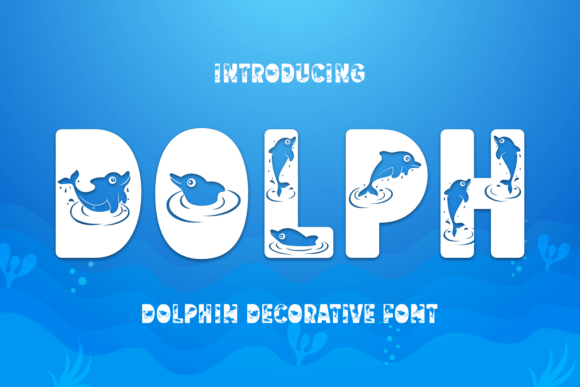
Dolph: A Playful Decorative Font for Craft and Product Design
When you are designing products that need to stand out on a crowded digital shelf or catch the eye in a physical boutique, typography is often the first thing customers notice. It sets the tone before they even read the words. For creators who specialize in handmade goods, printables, and custom labels, finding a typeface that balances charm with commercial viability can be a challenge. This is where Dolph becomes an invaluable asset in your design toolkit. As a decorative font that brings the ocean to life with charming dolphin illustrations embedded in each letter, it offers a unique visual personality that instantly communicates fun, freshness, and creativity.
Visual Personality and Creative Appeal
Dolph is not just a standard alphabet; it is a display font designed to make a statement. The inclusion of adorable dolphin-themed illustrations within the letters gives it a whimsical, aquatic flair that is hard to ignore. This playful aesthetic makes it particularly effective for brands and projects that want to evoke feelings of joy, summer, relaxation, or childlike wonder. Unlike rigid corporate fonts, Dolph feels approachable and friendly, which is essential for businesses targeting families, children, or those looking to add a touch of lightheartedness to their offerings.
The artistic integration of the dolphin motifs ensures that every word carries a narrative. Whether you are creating a birthday invitation or a product tag, the font itself acts as a graphic element. This dual function—serving as both text and illustration—is what makes Dolph so powerful for small business owners. It reduces the need for additional clip art or complex layering in your design software, streamlining your workflow while maintaining high visual impact.
Practical Applications for Handmade Products
One of the most common questions crafters ask is whether a decorative font is versatile enough for their specific niche. Dolph excels in several key areas where readability meets aesthetic appeal. For instance, it is perfect for candle labels where a coastal or spa-like vibe is desired. Imagine a jar of "Ocean Breeze" soy wax melts labeled with Dolph; the dolphin details enhance the scent profile visually without needing extra graphics.
Similarly, this font shines in wedding stationery, particularly for beach weddings, destination ceremonies, or nautical-themed events. Using Dolph for welcome boards, seating charts, or menu cards adds a personalized touch that guests will remember. It also works beautifully for greeting cards, especially those celebrating birthdays, baby showers, or summer holidays. The playful nature of the font makes it ideal for planner pages and digital printables aimed at students or hobbyists who enjoy organizing their lives with a bit of color and character.
For makers using cutting machines like Cricut or Silhouette, Dolph is excellent for vinyl decals on water bottles, laptops, or car windows. The distinct shapes of the letters ensure clean cuts, provided the design is scaled appropriately. It is also a great choice for product packaging tags, adding a premium feel to items like soap bars, bath bombs, or handmade jewelry. The font’s ability to convey quality through its polished look helps elevate the perceived value of your products.
Readability and Design Best Practices
While Dolph is undeniably attractive, it is crucial to use it wisely to maintain legibility. Like most decorative and display fonts, Dolph is best suited for short phrases, names, titles, and headlines rather than long paragraphs of body text. When used for longer passages, the embedded illustrations can become distracting and difficult to read. Instead, reserve Dolph for the focal points of your design, such as the main title on a poster, the brand name on a label, or the header of an invitation.
For smaller applications, such as stickers or tags, pay close attention to scale. If the text is too small, the intricate dolphin details may blur or merge, resulting in a muddy appearance. Always preview your designs at actual size before printing or cutting. Additionally, consider the background contrast. Since Dolph features detailed illustrations, placing it on a busy or patterned background can hinder readability. Solid colors or subtle textures work best to let the font shine.
Font Pairing Strategies
To create a balanced and professional layout, pairing Dolph with complementary typefaces is highly recommended. Because Dolph is a creative and expressive font, it pairs well with simpler, more neutral types. A classic strategy is to combine Dolph with a clean sans serif font for secondary information, such as dates, addresses, or ingredient lists. The simplicity of the sans serif provides a visual rest, allowing the decorative elements of Dolph to remain the star.
Alternatively, you might pair Dolph with a delicate script font for accents or signatures. This combination works particularly well in wedding invitations or greeting cards, where the script adds elegance and the decorative font adds playfulness. For a more rustic or farmhouse aesthetic, consider pairing Dolph with a sturdy serif font. This juxtaposition creates a modern yet timeless look that appeals to a broad audience. Experimenting with these combinations allows you to tailor the font’s personality to different brand identities.
Licensing and Commercial Use
As a seller, understanding licensing is critical to protecting your business. Before using Dolph for any commercial purpose, including selling physical products, templates, printables, SVG designs, or merchandise, you must review the specific license agreement provided by the font creator. Most premium fonts offer a commercial license that permits the creation and sale of physical goods featuring the typeface. However, some licenses may restrict resale of the font file itself or limit the number of end-products.
Always keep records of your purchase receipts and license agreements. This documentation serves as proof of your right to use the font commercially and protects you from potential legal issues. By adhering to proper licensing practices, you demonstrate professionalism and respect for intellectual property, which builds trust with your customers and peers in the crafting community.
Conclusion
Incorporating Dolph into your design projects can significantly enhance the appeal of your handmade products and digital assets. Its unique blend of decorative charm and functional design makes it a standout choice for crafters, sellers, and designers looking to add a splash of personality to their work. By using Dolph strategically—focusing on short phrases, pairing it with clean typefaces, and respecting licensing guidelines—you can create cohesive, attractive, and commercially successful designs that resonate with your audience.